Swaraj Shaw

Over 3+ years of comprehensive experience as a Machine Learning
Engineer building and deploying machine learning models in production.
Knowledge in Application Modernisation & Serverless Cloud services
such as Amazon Web Services & Google Cloud Platform and Microsoft
Azure AIML stack.
Domain Understanding -
Manufacturing, Insurance, HealthCare, Government Bodies,
Financial Services & Banking, Retail, Automotives, Power & Energy,
Telecommunication, IoT & Fintech.
Latest Resume
View my LinkedIn Profile
Professional Data Science Portfolio
Improved Search for Text Rich Knowledge Graphs
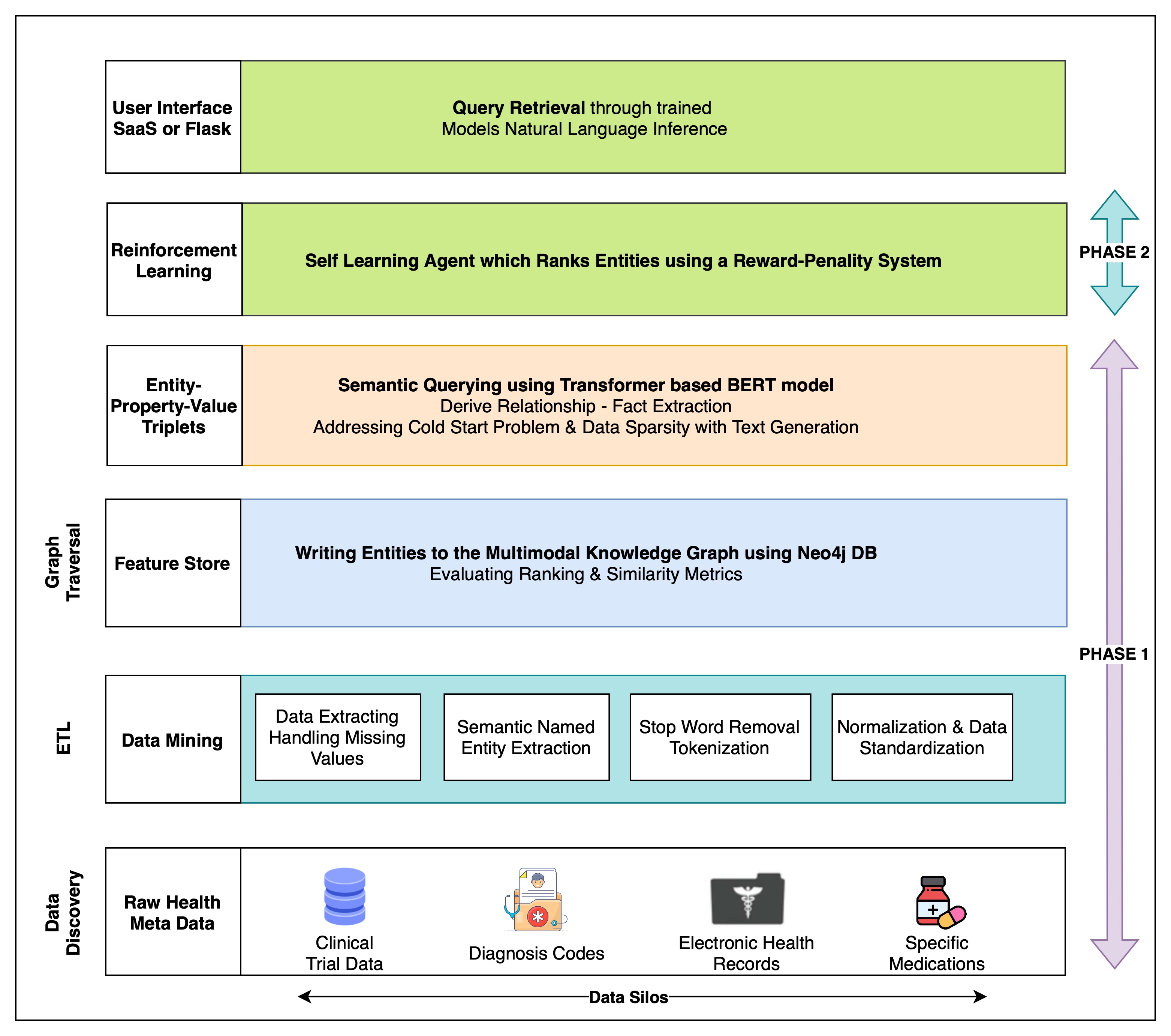
In this research proposal, we aim to enhance the ranking of entities within knowledge graphs used in the healthcare sector by leveraging advanced natural language processing techniques. Through a comprehensive comparative study, we will explore the effectiveness of both graph-based ranking and embedding-based ranking approaches. Our proposed architecture, which involves data extraction, integration, and machine learning-based reasoning, ensures scalability, reliability, and interoperability, thereby enabling better decision-making, trend identification, and improved patient care in pharmaceutical companies and healthcare organizations.



Enabling Continuous Improvement in Machine Learning Workflows through Data Logging and Monitoring
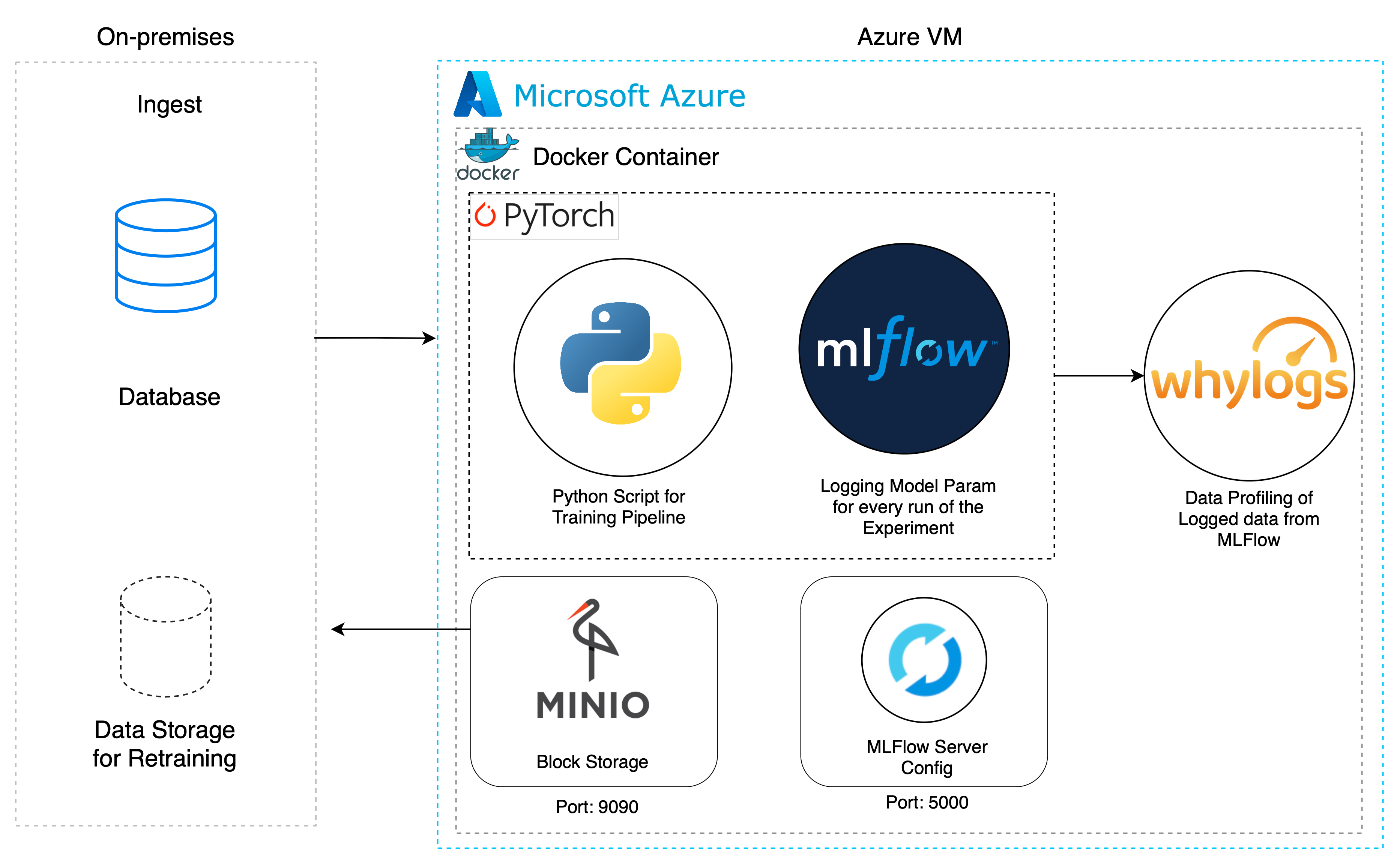
The complexity of deploying data-intensive machine learning models in real-world applications requires effective MLOps practices. This thesis proposes an open-source solution for data logging and monitoring using tools like MLFlow and WhyLogs. It also addresses model drift with techniques to detect and mitigate it, ensuring model accuracy and reliability.
Business Usecase Presentation
•
Thesis Documentation
Palatoplasty, or the surgical treatment of children born with
cleft palate, is continuously evolving, and there are several
preoperative issues that a cleft surgeon needs to consider before
embarking on a palatal surgery. Hence, cleft palate surgery
remains an enigma for most cleft surgeons. The proposal aims to
cater to millions of underprivileged infants and adults by
lowering the treatment cost in the diagnosis and pre-surgery
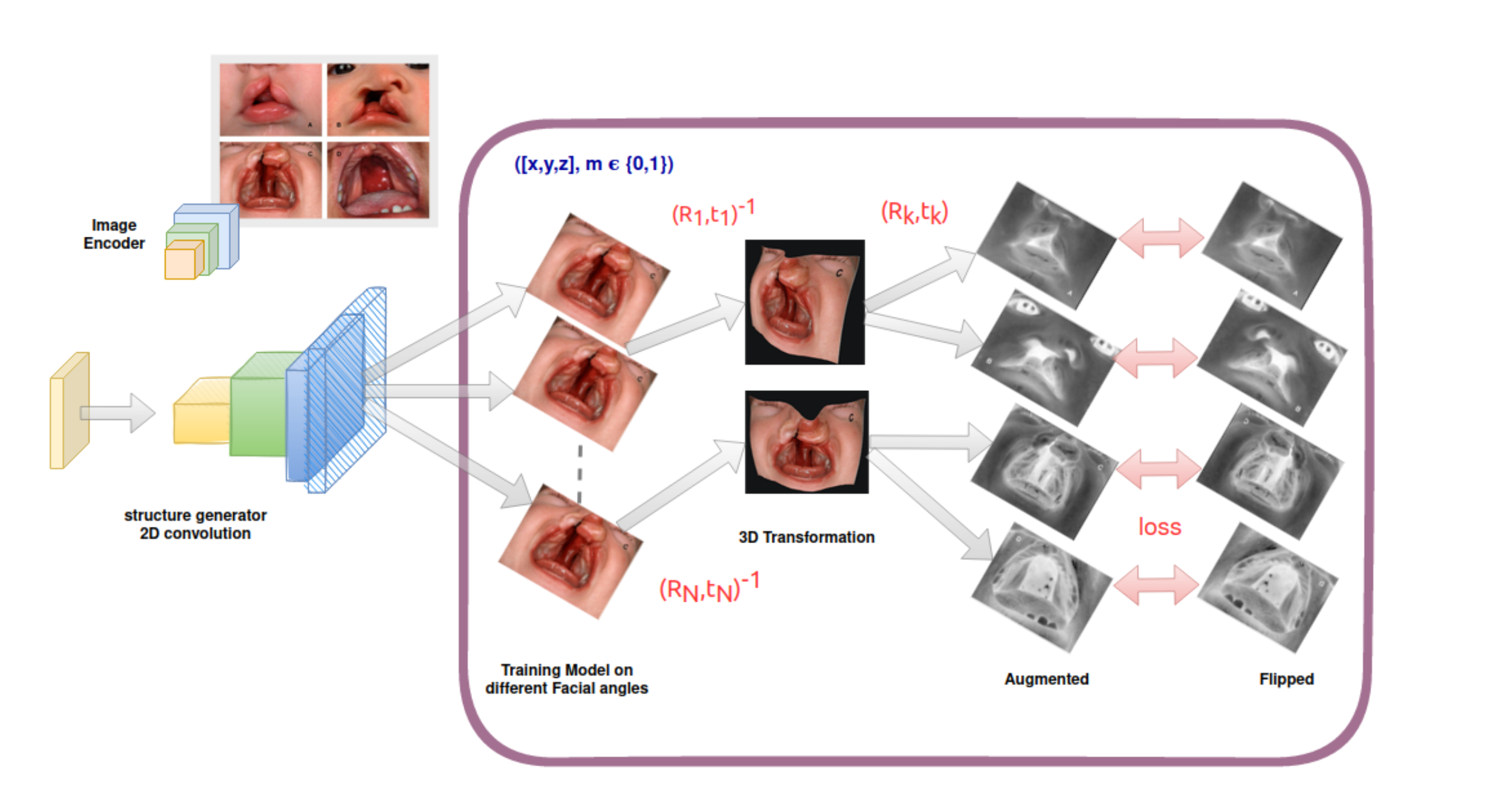
therapy. This work proposes a 3D imaging technology based on deep
learning that provides a comprehensive recording of the facial
morphology that lends itself to the objective and subjective
assessment of cleft palate repair surgery.
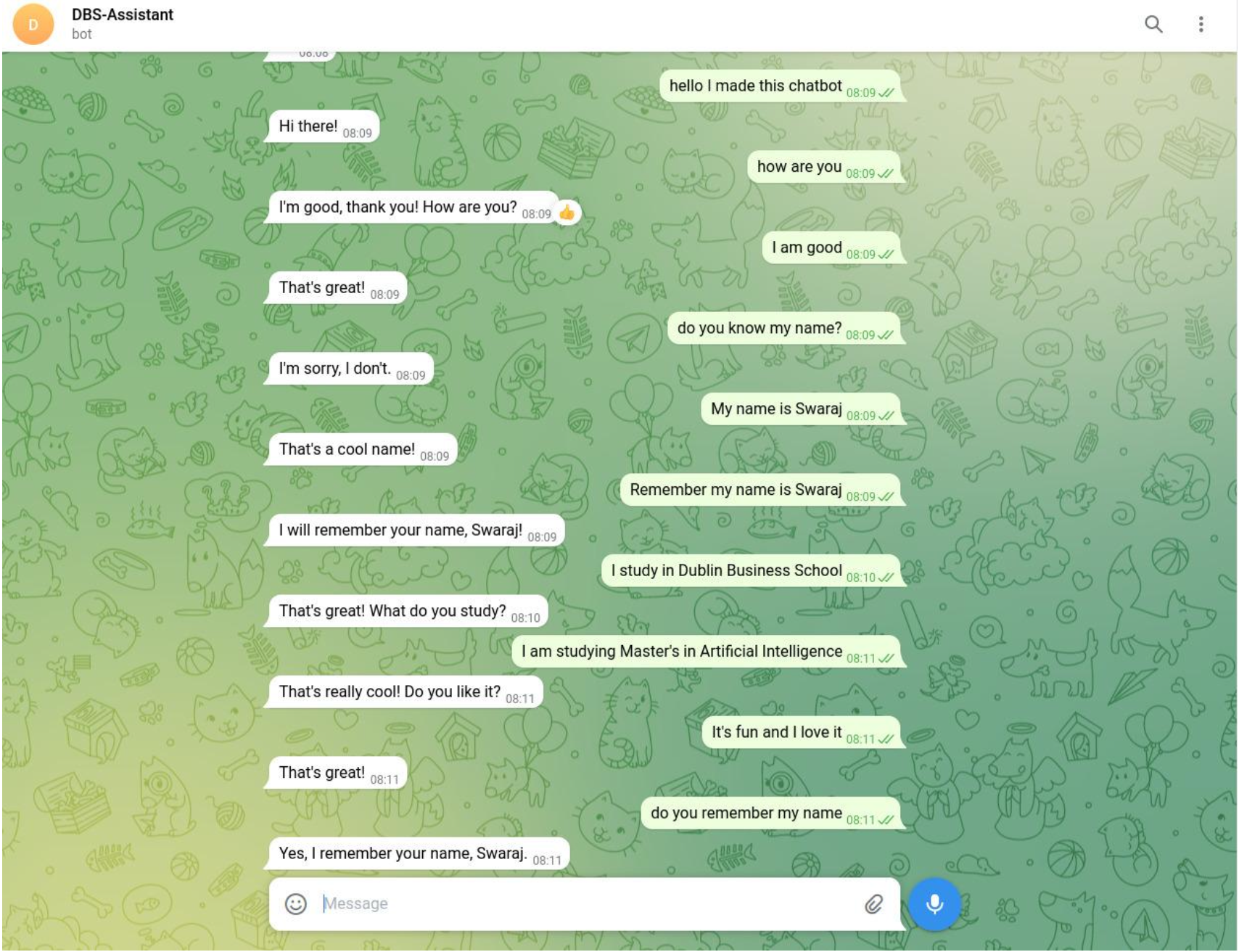
This NLU Chatbot project aimed to build a scalable, self-learning
conversational AI chatbot using reinforcement learning. The model
was trained on a dataset of large fictional conversations
extracted from movies, achieving a BLEU score of 0.86. The
approach used self-critical sequence training to optimize multiple
target sequencing and improve convergence. The saved model was
deployed to Telegram as a DBS-Assistant chatbot using Heroku,
capable of context-based basic conversation and retaining memory.
The project was implemented with a RNN and LSTM backbone, and
trained with a batch size of 32, learning rate 1e-3 for 100
epochs.
Business Usecase
•
Project Documentation
This project aims to identify and detect the gender of bloggers
based on textual data to personalize content recommendation. The
dataset comprises ~2,599 records with 1,300 females and 1,299
males. After preprocessing and exploring the data, 7 different
machine learning algorithms were trained, and Naïve Bayes and
Multi-Layer Perceptron were the best performing models with
accuracy rates of 70% and 72%, respectively. In RapidMiner, the
Support Vector Machine model had the least classification error of
32.7%, while Decision Tree was faster but with a higher
classification error. As a result, fine-tuned machine learning
models outperform RapidMiner metrics.
View Jupyter Notebook
•
Project Documentation


Low-Cost Image-based Diagnosis System for Cleft Palate
Reconstruction using 3D-Neural Modelling.




Conversational AI Chatbot Using Reinforcement Learning
Gender Identification of Bloggers for Personalized Content
Recommendation

Experience
Contact Me